Health and Safety Policy — Commercial Waste West Byfleet
 Commercial Waste West By Fleet maintains a clear and proactive Health and Safety Policy that governs all aspects of our waste management and rubbish collection operations. This policy applies across our entire rubbish company service area and to every team member, contractor, driver and on-site operative involved in commercial waste handling, skip services, and waste transfer activities. Our objective is to prevent injury, ill health and environmental harm while delivering reliable rubbish removal and waste collection services.
We are committed to meeting relevant statutory duties and to following industry best practice for waste collection and rubbish removal. The policy sets out responsibilities, risk controls, training requirements and monitoring arrangements to manage known hazards and to respond effectively to incidents. It is a living document that supports safe working for crews operating in the rubbish removal service area and those managing commercial waste contracts.
 The scope of this policy covers all activities associated with our rubbish company operations including routine collections, bulky waste removal, recycling processes, vehicle maintenance, transfer station work and interactions with third-party disposal facilities. Managers are required to implement the policy; supervisors must ensure controls are applied; and every employee and contractor has a duty to work safely and to report hazards or unsafe acts without delay.
Risk Assessment and Safe Systems of Work
Risk assessments are performed for all services provided across our rubbish collection and waste management service area. Assessments identify hazards such as manual handling, traffic movements, sharps, hazardous materials and confined space risks. Controls include engineered solutions, administrative procedures and PPE. Safe systems of work and method statements are produced for high-risk activities and are communicated to crews before work commences.
All routine tasks are covered by documented procedures designed to minimise the likelihood of incidents during collection rounds, depot handling and when operating compactors or balers. Supervisors must verify that controls are in place and understood; non-conformance prompts immediate corrective action. Training records and competence checks form part of our oversight to ensure consistent application of controls in the rubbish removal service area.
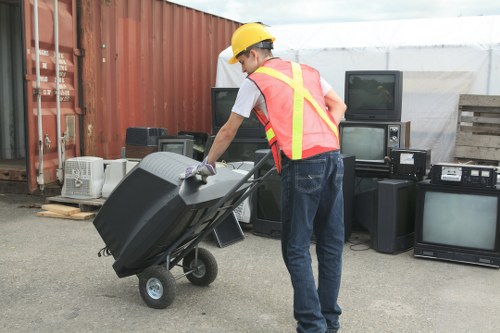 Personal protective equipment is provided and maintained in line with assessed risk. This includes high-visibility clothing, gloves suitable for waste handling, protective footwear, eye protection and respiratory protection where required. Equipment used for waste collection and commercial waste transfer is inspected daily, and any defects are reported and repaired promptly to avoid risk to operators and the public.
Vehicle, Driver and Site Safety
Vehicle safety is central to our operations. Drivers and crew receive specific training on safe vehicle operation, load security, reversing procedures and route planning to reduce exposure to busy roads. Pre-shift vehicle checks and maintenance schedules are mandatory. We monitor driving behaviour and compliance with road safety standards to protect staff and the community.
Manual handling and segregation of waste types are managed through training and the provision of mechanical aids where possible. Crews are instructed on safe lifting techniques and on identifying potentially hazardous items. We emphasise correct segregation to limit risks from sharps, chemicals and contaminated materials during collection and at waste transfer points.
Emergency response plans are established for spills, fires, medical emergencies and hazardous material incidents. These include isolation procedures, containment measures and communication protocols with emergency services. Regular drills and equipment checks help ensure readiness across the rubbish company service area.
Our approach to handling hazardous and special waste follows recognised standards. Controlled procedures are in place for labeling, segregating, transporting and storing hazardous items until authorised disposal can occur. Legal obligations are respected, and any required documentation for hazardous waste movements is maintained securely to demonstrate compliance.
Incident reporting and investigation are central to continuous improvement. All incidents, near misses and unsafe conditions must be reported promptly. Investigations identify root causes and corrective actions, which are tracked to completion. Lessons learned are shared across teams to prevent reoccurrence and to raise safety awareness.
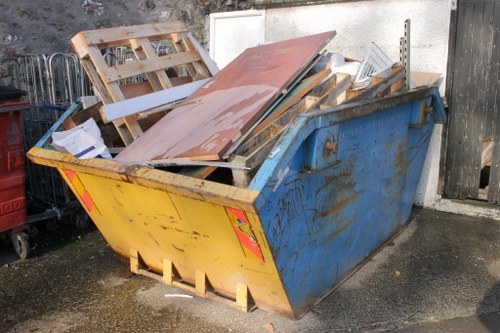 Monitoring and auditing routines assess operational compliance and the effectiveness of controls. Regular workplace inspections, workplace transport reviews and periodic safety audits provide data to manage risk proactively. Performance indicators include training completion, incident rates and audit findings, and these are reviewed at management meetings to drive improvements across the rubbish removal and waste management operations.
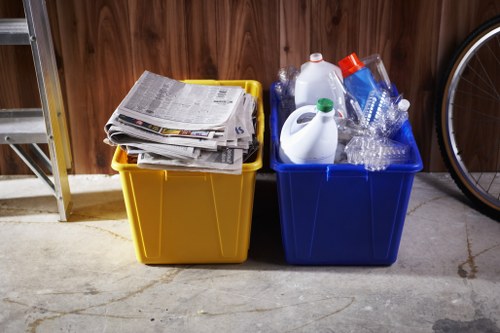 Policy review and continual improvement: this policy is reviewed at defined intervals and whenever significant changes occur in operations or legislation. Senior management endorses the policy and allocates appropriate resources to maintain a safe working environment. The policy is available to employees and contractors, and its principles are embedded in our day-to-day activities.
All personnel engaged in our rubbish company service area must contribute to safety by following procedures, completing training, using issued PPE and raising concerns. Collective responsibility, clear communication and visible leadership are essential to sustaining a safe, compliant and efficient commercial waste service.
Commitment: We commit to preventing harm, protecting the environment and continually improving our health and safety performance across every part of our waste collection and rubbish removal operations.
